
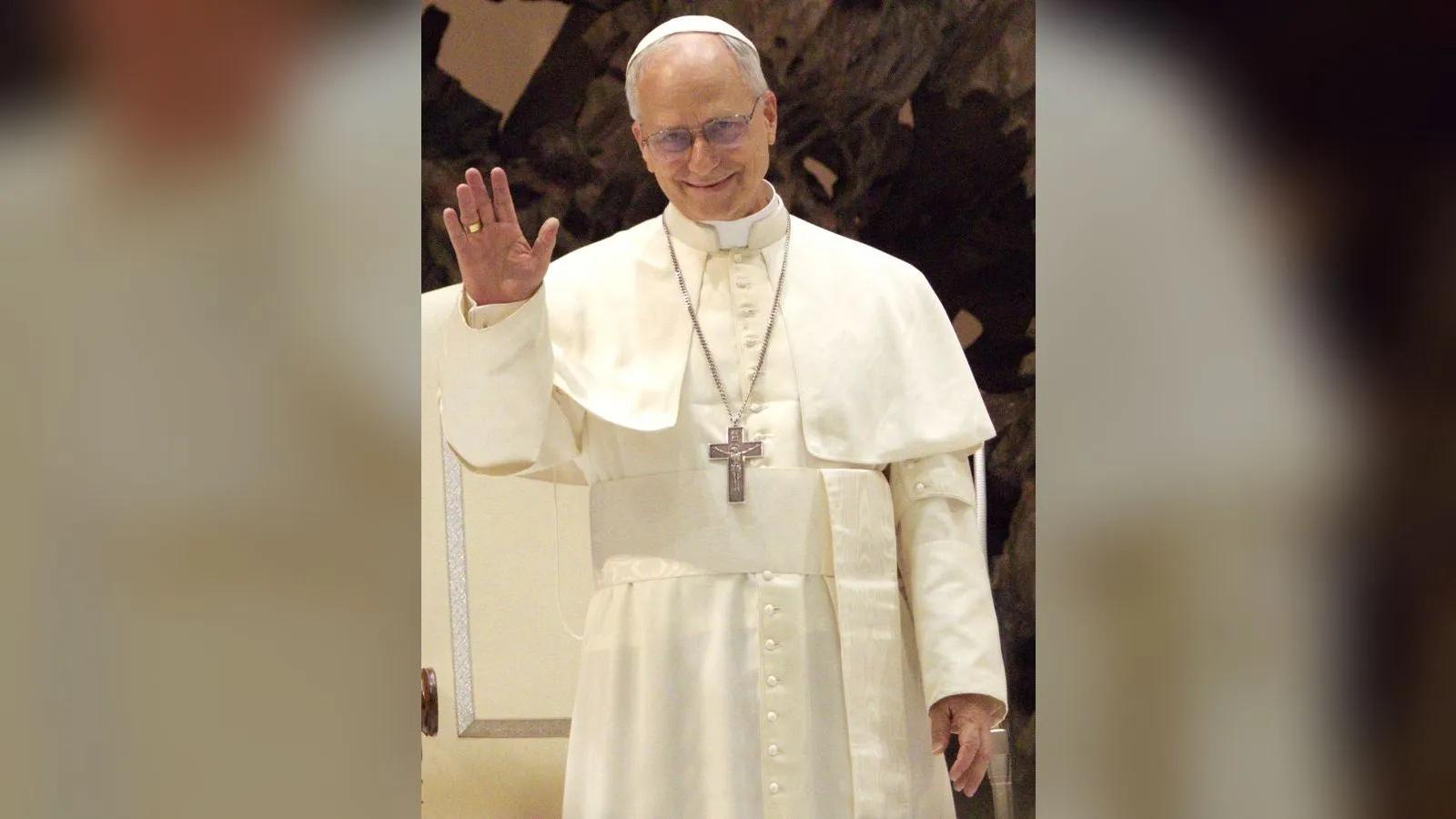
Pope Leo XIV has warned that the United Nations and other international institutions are facing a “crisis of effectiveness”, cautioning that global dialogue risks becoming a “charade” at a time when the world most needs it.
Speaking at the Paris headquarters of Unesco, the UN’s education, science and culture agency, the pontiff delivered one of the strongest defences of multilateralism heard this week, while the UN General Assembly was meeting in an unusually tense atmosphere in New York.
‘A charade rather than an opportunity’
The UN and other multilateral bodies, the pope said, “are experiencing a crisis of effectiveness”. He described a world in which dialogue “is seen as an obstacle to action rather than a resource for peace, a charade rather than an opportunity to seek the common good together”.
He also criticised world leaders who, without naming anyone, treat international law as optional. “Instead of respecting the law, those in power invoke it when it serves their interests and disregard it when it restrains them,” he said, “treating even justice itself as though it were a commodity to be bought and sold.”
A General Assembly under strain
The pope’s warning came during a General Assembly session marked by open confrontation. In a speech on Tuesday, US President Donald Trump threatened to annihilate Iran if it did not agree terms to end the war. On Thursday, dozens of delegations walked out of the hall as Israeli Prime Minister Benjamin Netanyahu began to speak. The session was due to end on Monday.
The setting was also symbolic. Trump announced in 2025 that the United States would withdraw from Unesco, the very institution where the pope chose to speak.
Pope Leo, the first pope from the United States, became head of the Catholic Church in May 2025. He drew criticism from President Trump earlier this year after speaking out against the war with Iran.
Why the UN still matters
For all its flaws, the UN remains the only forum where every country, large and small, has a seat and a voice. Smaller and developing countries in particular rely on it to defend international law, settle disputes and hold more powerful states to account.
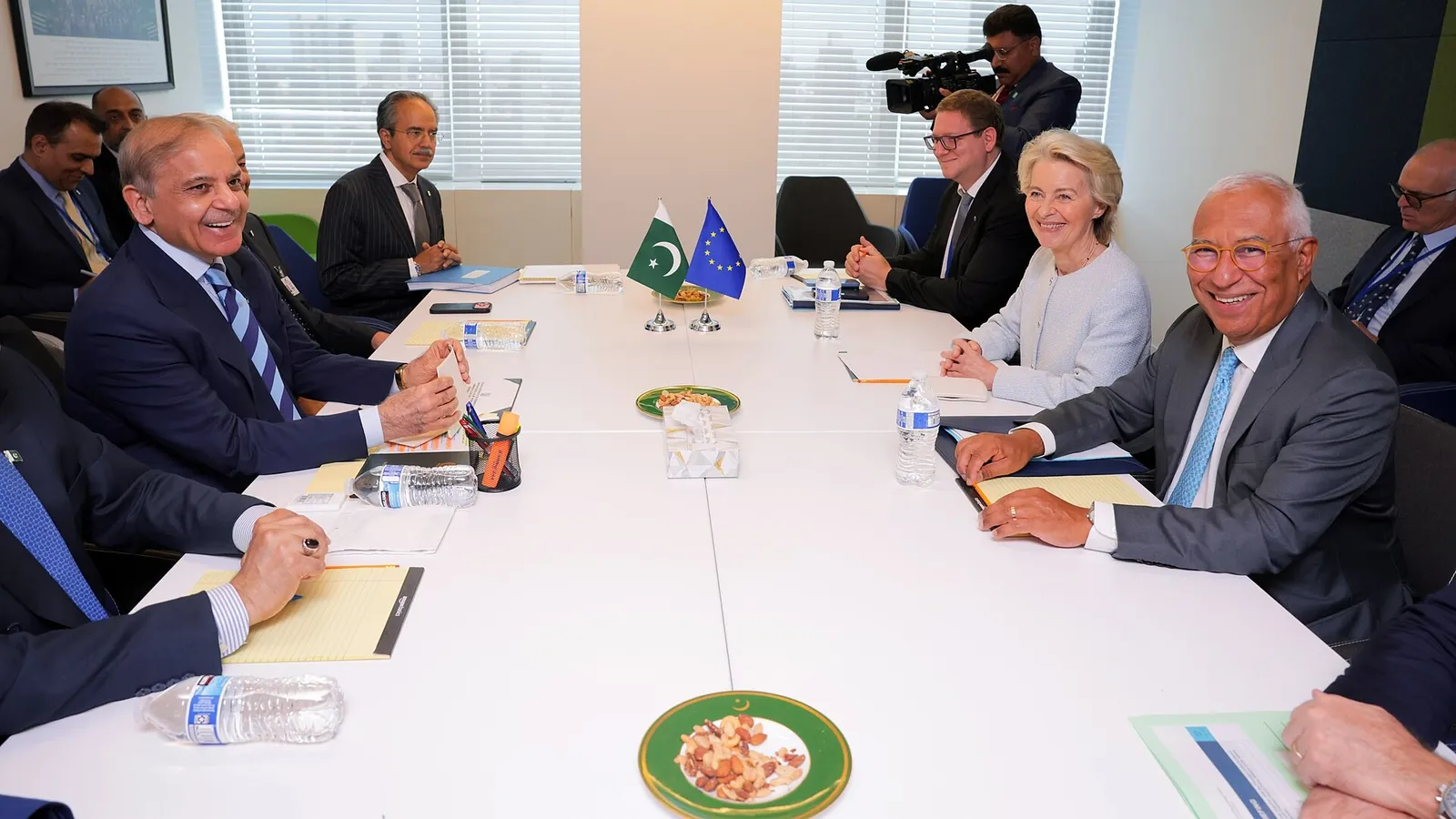
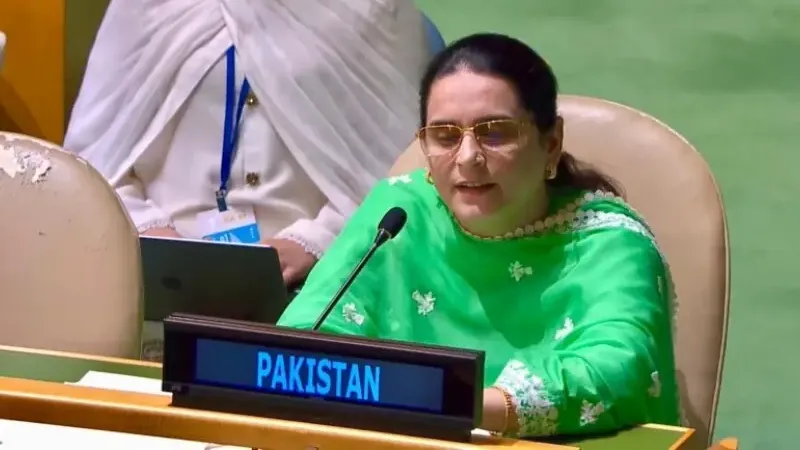
Pakistan’s own diplomacy this week showed that clearly. At the General Assembly, Prime Minister Shehbaz Sharif made Pakistan’s case on open sea lanes, regional security and the Indus Waters Treaty, and UN Secretary General António Guterres praised Pakistan’s mediation efforts in the region. At the Security Council, Pakistan argued that decisions on artificial intelligence must be taken in inclusive UN forums, not by “a handful of companies or capitals”.
The pope’s message was, in effect, a warning that such forums only work if the most powerful countries respect them too.
A visit focused on AI and ethics
The pope’s speech came during a four-day, three-city visit to France, where he has also made the ethical risks of artificial intelligence a central theme, warning against a “paradise of machines” in his first address in Paris. He is also seeking to rebuild the Church’s standing in France after abuse scandals that caused nationwide shock.
Why it matters
When the leader of the world’s 1.4 billion Catholics says the UN system is in crisis, it adds moral weight to concerns that many governments, including Pakistan’s, have raised for years: that international law is applied selectively, and that multilateral institutions need to be strengthened, not sidelined. Whether that warning changes behaviour in the world’s capitals is another question, but it sharpens the debate at a moment when the UN is under greater pressure than at any time in years.
This article draws on reporting by Reuters and AFP, as published by Dawn.
Comments
Comments are reviewed by our editors before they appear. Please keep them civil and on topic. See our terms.
No comments yet. Be the first to share your view.