

India’s push to reorganise its armed forces into Integrated Theatre Commands is running into criticism over the state of the forces themselves, according to an analysis published by Dawn, which argues that politically driven deadlines risk coming at the expense of combat effectiveness.
The analysis, by Khurram Abbas, finds that the restructuring is being pursued while the Indian Air Force, Army and Navy all face significant shortfalls in equipment and readiness.
A reform driven by deadlines
The legal basis for the overhaul is the Inter-Services Organisations (Command, Control and Discipline) Act, 2023. It was introduced in parliament in March 2023, received presidential assent in August 2023, came into force in May 2024, and its rules were notified in May 2025, giving the government wide powers over joint military structures.
By early 2026, according to the analysis, India’s Chief of Defence Staff, General Anil Chauhan, had recommended three theatre commands (Northern, Western and Maritime), and a Joint Operations Centre was being readied under pressure to meet government deadlines. The analysis argues that this political timetable is overriding professional concerns and the services’ own doctrines.
An air force at its lowest strength in decades
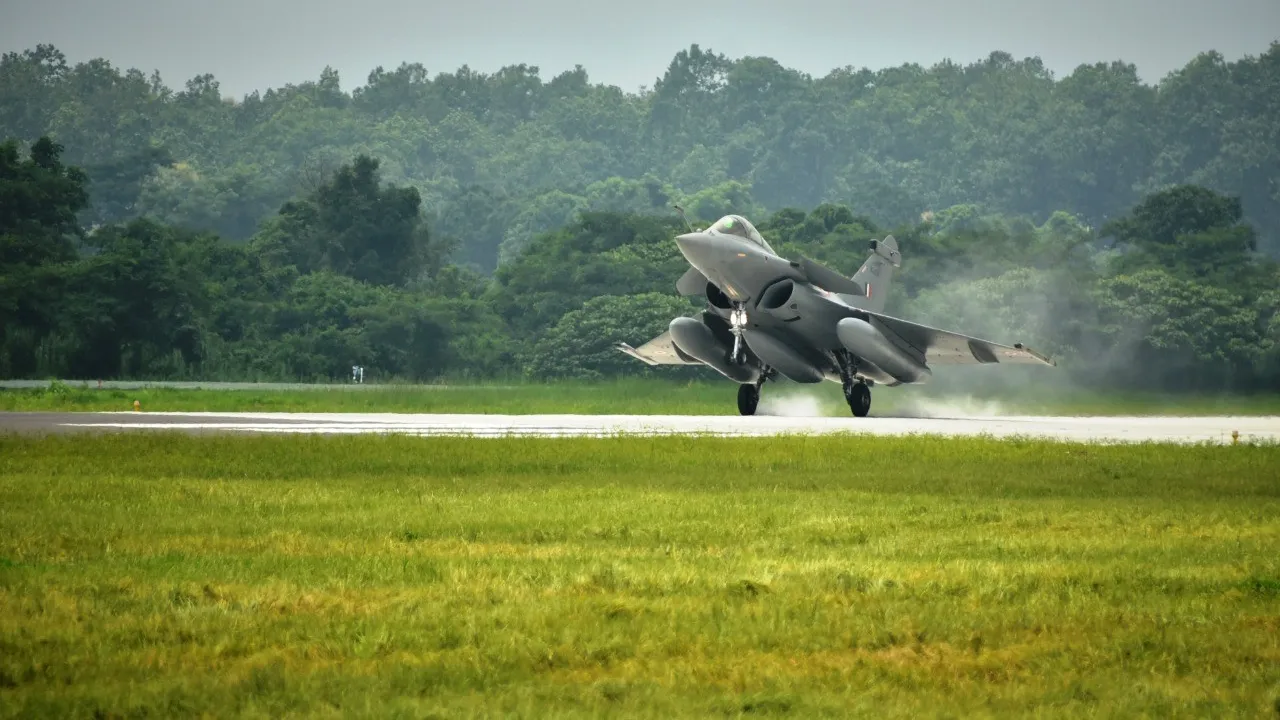
The Indian Air Force (IAF) is identified as the most visible weakness. As of April 2026, it was operating only 29 fighter squadrons, its lowest level in decades, well below its sanctioned strength of 42. The retirement of the last MiG-21s in September 2025 reduced the number further.
With 18 to 20 aircraft per squadron, that amounts to a combat fleet of roughly 464 to 522 jets, including 258 Russian-built Su-30MKIs, 36 French Rafales, more than 40 MiG-29s and only about 30 locally built Tejas Mk1 fighters. For comparison, the analysis puts Pakistan at about 25 squadrons and China at 66.
Even with orders for 141 Tejas Mk1A aircraft and approval in February 2026 to procure 114 multi-role fighters, projections suggest the IAF may reach only 35 to 36 squadrons by 2035.
Army and navy shortfalls
The problems are not confined to the air force. The analysis points to:
- Army: outdated equipment in some infantry and artillery units, delays in artillery modernisation, and gaps in long-range precision weapons and air defence, along with slow infrastructure development along the Line of Actual Control with China
- Navy: only one fully operational aircraft carrier, INS Vikramaditya, with INS Vikrant delayed by technical and logistical problems; 15 to 16 conventional submarines, many of them ageing, against a stated requirement of at least 24; and too few destroyers and frigates for the Indian Ocean
Resistance from within
The IAF has strongly resisted permanently dividing its limited aircraft among three theatre commands, arguing that fragmentation would undermine air power’s key advantage: flexibility. The army fears losing control of its assets, and the navy worries that its limited blue-water capability will be stretched too thin. The analysis says pressure to proceed has continued regardless, increasing friction between the services.
Underlying all of this, it notes, is chronic under-investment, with defence spending consistently below 2.5 per cent of GDP, alongside procurement delays and a fleet drawn from many different suppliers.
The Pakistan perspective
For Pakistan, India’s military capabilities and doctrines are central to regional stability. Islamabad has consistently argued that India’s military build-up and aggressive posture increase the risk of miscalculation, a concern raised by senior Pakistani strategic officials this week. The gap identified in the analysis between India’s ambitions and its actual readiness adds another dimension to that debate. Meanwhile Pakistan continues to modernise its own forces, including the Pakistan Navy’s new Hangor-class submarines.
Why it matters
Large military reorganisations carry risk even when forces are well equipped. The analysis concludes that without much higher defence spending, solutions to the shortages, and professional consensus among the services, India’s theatre commands could face significant operational and strategic challenges, with implications for the balance of power across South Asia.
This article draws on an analysis by Khurram Abbas published by Dawn. Figures are as cited in that analysis.
Comments
Comments are reviewed by our editors before they appear. Please keep them civil and on topic. See our terms.
No comments yet. Be the first to share your view.