

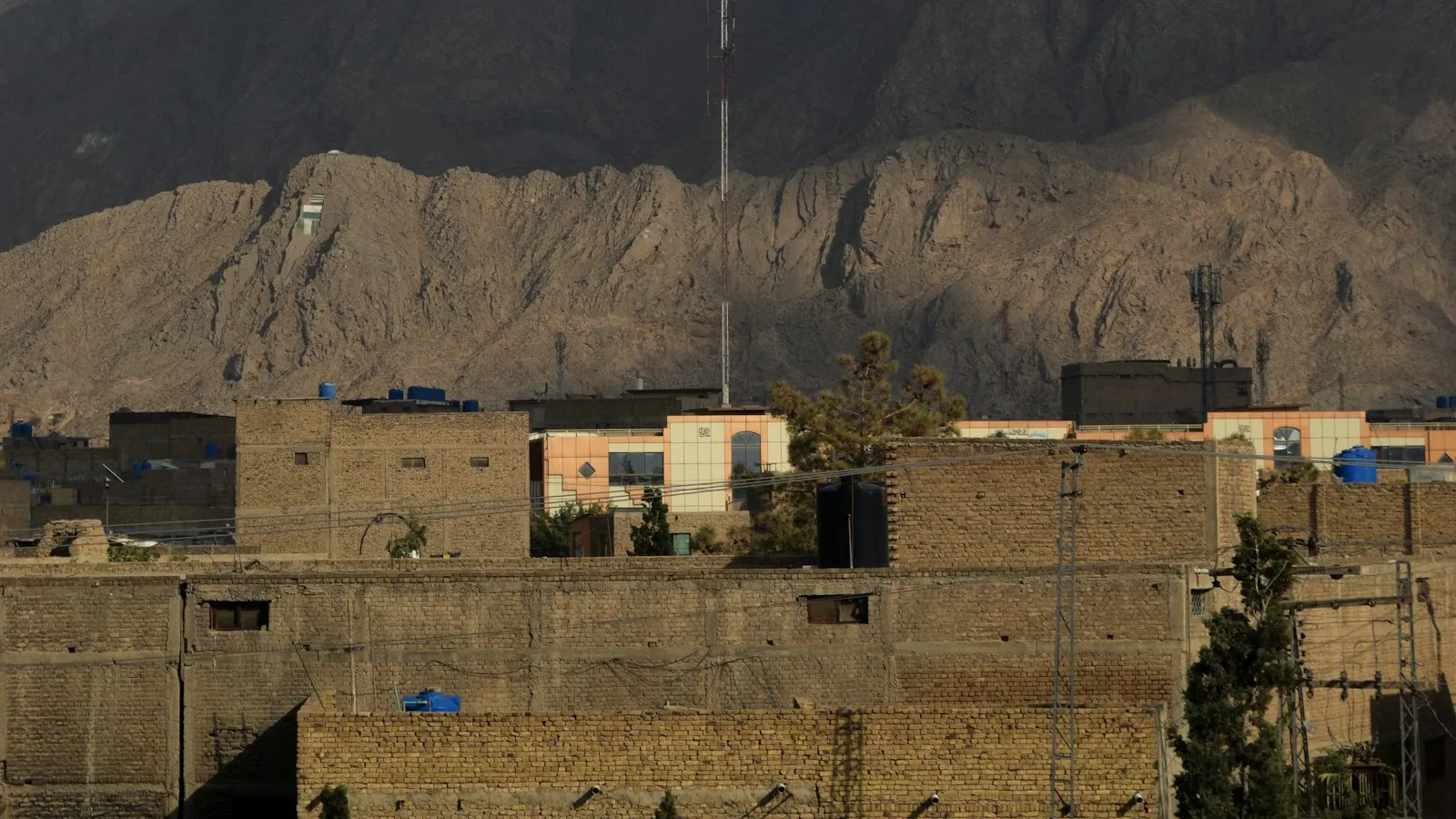
Security forces have killed more than 71 terrorists in Balochistan over the past four days, the military said on Sunday, nearly a week after a major clearance operation began in the Shaban area near Quetta.
Inter-Services Public Relations (ISPR) said the operation had dealt “a serious blow to Indian-backed Afghan proxies”, and that it would go on until the threat had been fully eliminated.
How Operation Shaban unfolded
According to ISPR, security forces launched a swift operation in Ziarat and the surrounding areas on September 21, acting on credible intelligence. Pakistan’s intelligence agencies had identified several hideouts of what the state calls Fitna al Khawarij and Fitna al Hindustan in the general area of Shaban, in Quetta district, which ISPR said posed a threat to local people.
The state uses the name Fitna al Khawarij for the banned Tehreek-i-Taliban Pakistan (TTP), and Fitna al Hindustan for designated Balochistan-based groups, to highlight what it says is India’s role in sponsoring terrorism in Pakistan.
The toll rose steadily as the operation went on:
- September 23: 13 terrorists reported killed in Shaban
- September 24: the figure rose to 22
- Sunday update: 33 killed in Shaban after intense exchanges of fire, with weapons, ammunition and explosives recovered
- Past 72 hours: a further 23 killed as the operation was stepped up
ISPR said security forces had now cleared a large area and freed local communities from the threat. The clearance operation, it added, “is continuing until complete neutralisation of the threat”.
Noshki and Mand
The military also pointed to other recent operations in the province. Eleven terrorists were killed in a separate intelligence-based operation in Noshki on Friday, September 25, and six more were killed in Mand, where a large quantity of weapons and ammunition was seized. Earlier statements said six terrorists had been killed in pre-emptive operations in Kech and Quetta West on September 22 and 23.
‘Foreign-sponsored terrorism’
ISPR said the involvement of the Afghan Taliban regime in terrorism inside Pakistan, “backed and sponsored by India”, continued to cost lives and threaten peace. It said the counter-terrorism campaign under Azm-i-Istehkam, approved by the Federal Apex Committee on the National Action Plan, would continue “with full resolve”, and that security forces and law enforcement agencies remained committed to eliminating foreign-sponsored terrorism.
The statement came on the same day the information ministry rejected Kabul’s claims that Pakistan was involved in violence inside Afghanistan, and called on the Taliban to act against militant groups operating from Afghan soil.
President and interior minister praise forces
President Asif Ali Zardari commended the security forces, describing the clearance of many terrorist hideouts as a major success. He said operations would continue until terrorism “fueled by foreign patronage” was eradicated, adding that the sacrifices of the security forces were “a source of pride for the entire nation”.
Interior Minister Mohsin Naqvi also praised the soldiers’ professionalism, saying the terrorists’ plans had been thwarted and that operations would continue until both groups were wiped out.
A rise in attacks
The operation follows a rise in violence in Balochistan. According to the Pakistan Institute for Conflict and Security Studies, terrorist attacks in the province rose by seven per cent from 83 in July to 89 in August. Khyber Pakhtunkhwa has also seen deadly attacks, including a suicide bombing at a checkpost in DI Khan this month.
Why it matters
Balochistan is central to Pakistan’s economic future, from mineral resources to the port of Gwadar and new public transport such as Quetta’s Jinnah Peoples Train. Lasting security is the foundation for all of it. A sustained operation that clears militant hideouts close to the provincial capital is a significant step, but the rise in attacks this summer shows that the pressure on militant networks, and on those who shelter them across the border, will need to be maintained.
This article draws on reporting published by Dawn.



Comments
Comments are reviewed by our editors before they appear. Please keep them civil and on topic. See our terms.
No comments yet. Be the first to share your view.