
Punjab is moving to a single, uniform system for collecting sanitation fees in its cities, after the Suthra Punjab Authority signed an agreement with the province’s Excise, Taxation and Narcotics Control Department to handle billing and collection.
Under the agreement, signed on September 21, the excise department will collect the monthly cleanliness fee from homes and businesses in all urban areas of Punjab from the 2026-27 fiscal year, alongside the property tax it already collects.
A uniform fee across the province
The provincial cabinet approved a uniform sanitation fee model for urban Punjab at its 36th meeting on August 6. The monthly charges depend on property size and type:
| Property | Monthly fee |
|---|---|
| Homes up to 5 marla | Rs300 |
| Homes of 5–10 marla | Rs500 |
| Homes of 10–20 marla | Rs1,000 |
| Homes of 20–40 marla | Rs2,000 |
| Homes above 40 marla | Rs4,000 |
| Small businesses | Rs500 |
| Medium businesses | Rs1,000 |
| Large businesses | Rs3,000 |
The fee will be billed together with property tax in a combined annual bill, which officials say will make collection simpler for both residents and the government. Bills for earlier periods will still be recovered by the Suthra Punjab Authority.
Who is covered, and who isn’t
The system applies to urban areas across the province, but not to cantonments, Defence Housing Authorities or private housing schemes. Those areas already run their own cleanliness, solid waste and sanitation billing systems.
A digital, audited system
Officials describe the aim as an “efficient, transparent, technology-driven and accountable” way of billing and collecting the fee. Under the agreement, the excise department will:
- Build and maintain a province-wide consumer database, giving each property a unique consumer ID
- Carry out surveys to identify liable properties, remove duplicate records and register new consumers
- Handle printing, distribution, collection and reconciliation of bills
- Deal with complaints through a referral and tracking system
The department will receive one per cent of the total billed amount in advance through the finance department to cover its work. The Suthra Punjab Authority, together with the finance department and the Accountant General’s office, may audit the department’s billing, collection and spending.
An official of the authority told Dawn that meetings between the two organisations were under way to put the agreement into practice “in true letter and spirit”.
Part of Punjab’s clean-cities push
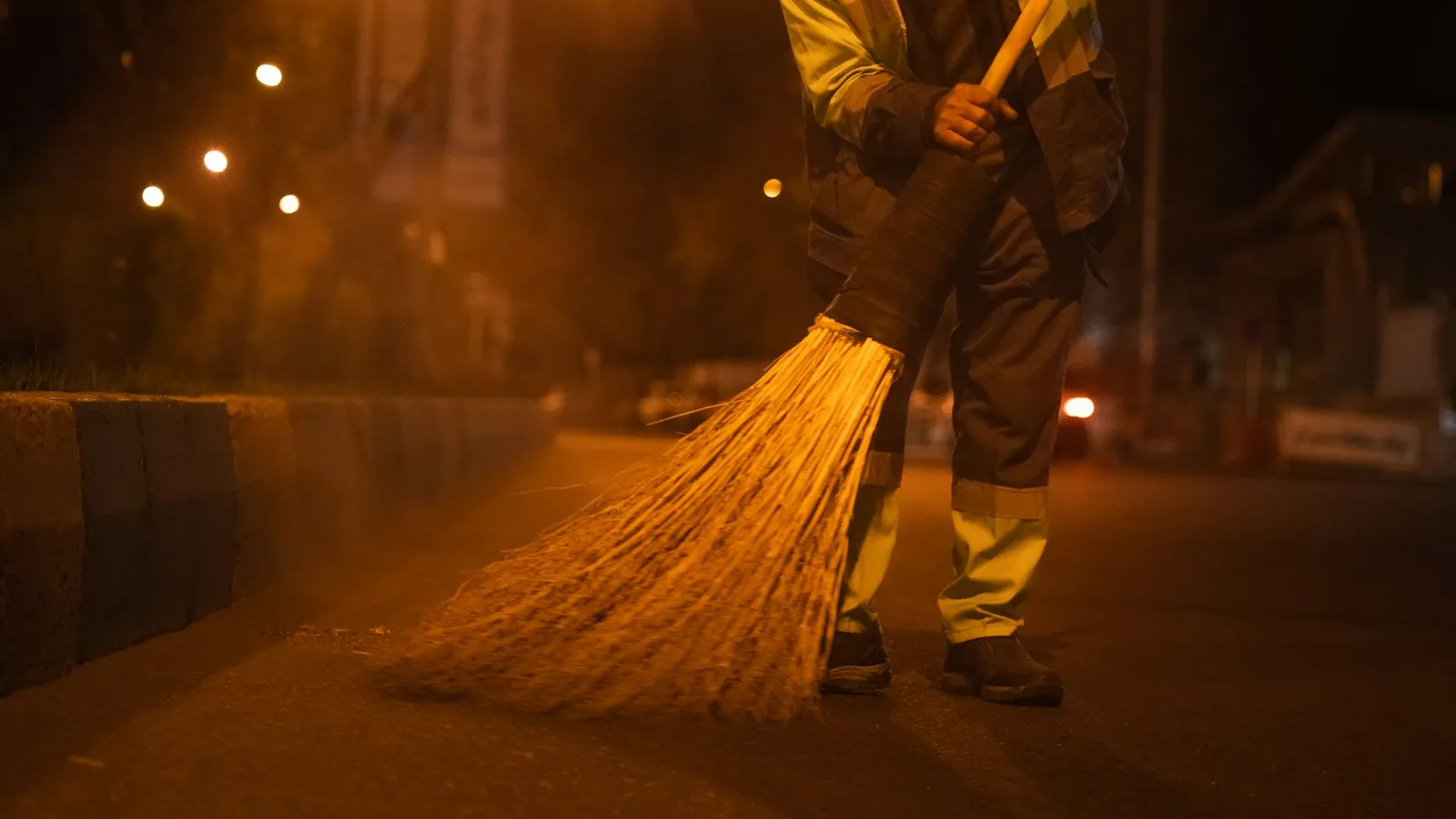
Suthra Punjab is the provincial government’s programme to keep towns and cities clean through modern solid waste management. A reliable fee system is central to its long-term success: regular income allows waste collection, street sweeping and disposal to continue without depending entirely on budget allocations.
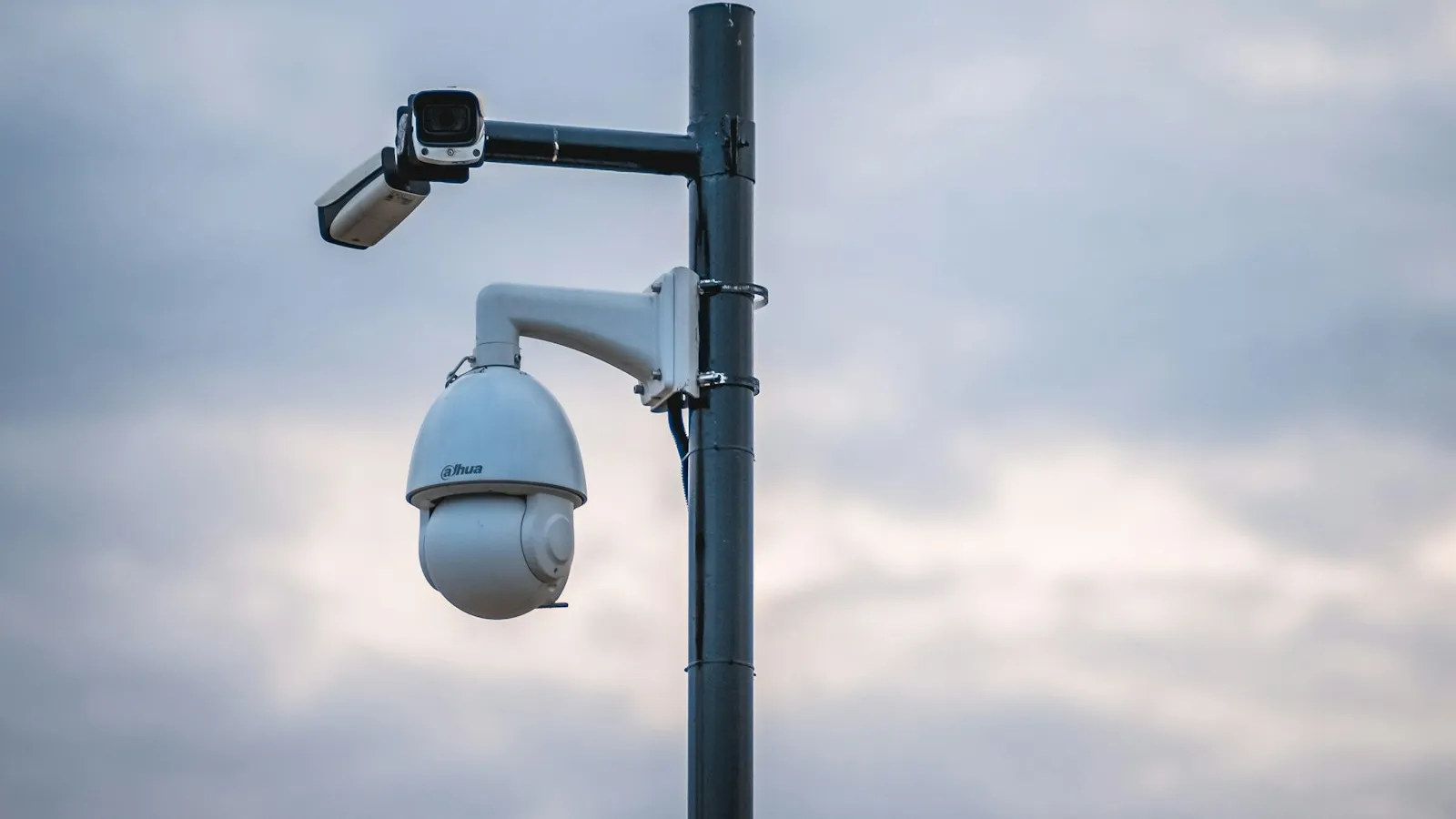
The move is one of several efforts by the Punjab government to modernise how public services are delivered and paid for, alongside the expansion of Safe City surveillance to 98 tehsils announced this week.
Why it matters
Clean streets and reliable waste collection are among the services residents notice most. By setting one clear fee structure and bringing billing into a single digital system with property tax, Punjab is trying to put its sanitation services on a sustainable financial footing. The test will be whether residents see a visible improvement in cleanliness in return for the fee they pay.
This article draws on reporting published by Dawn.


Comments
Comments are reviewed by our editors before they appear. Please keep them civil and on topic. See our terms.
No comments yet. Be the first to share your view.