

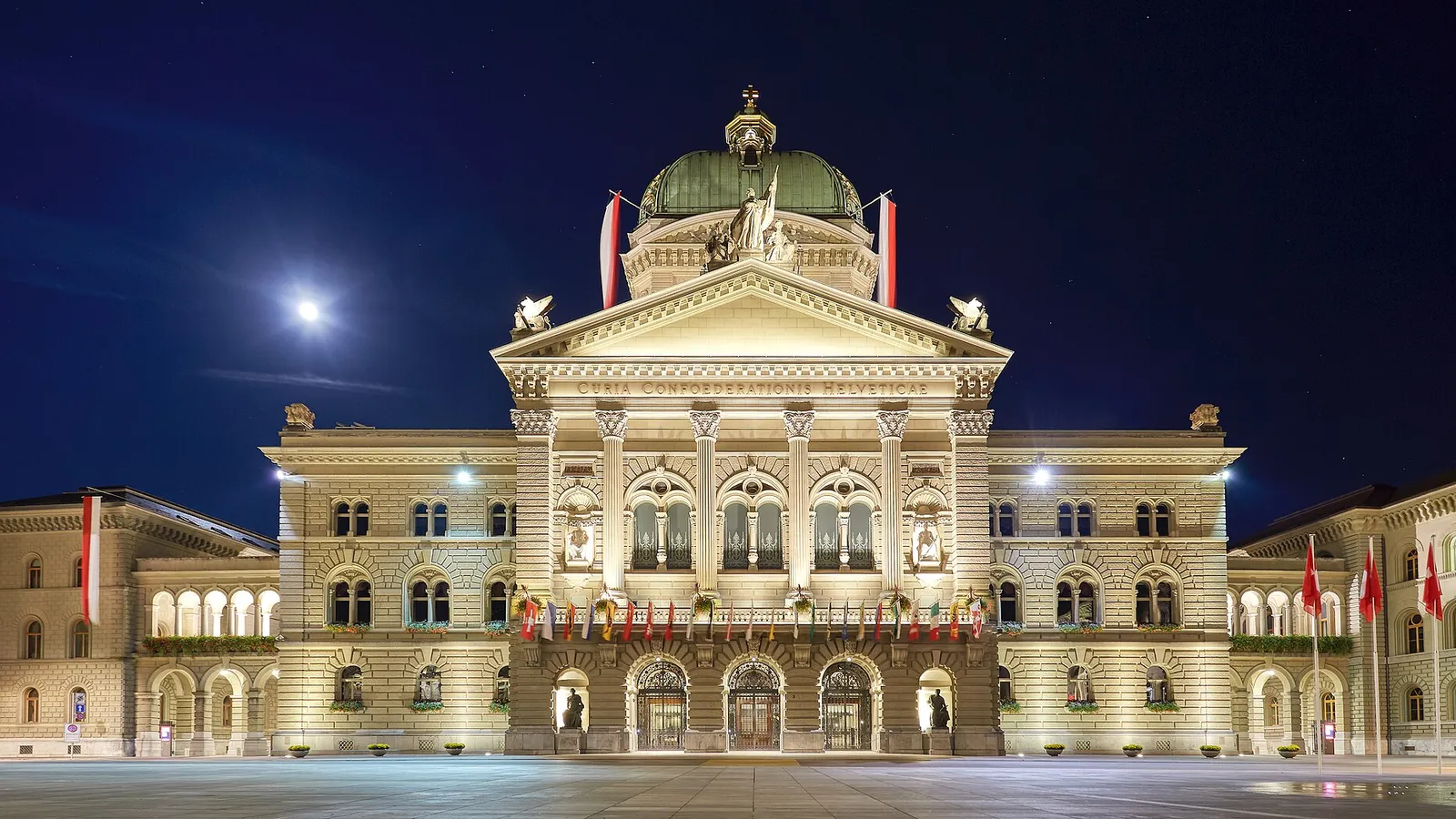
Switzerland voted on Sunday on a proposal to tighten the country’s cherished neutrality and write a strict definition of it into the constitution, in a referendum that has exposed deep divisions over what being neutral should mean in a more dangerous world.
The initiative, championed by the hard right and branded “pro-Russian” by its opponents, was expected to be rejected. The final two opinion polls suggested that well over 60 per cent of voters would say no.
What the proposal would do
The plan calls for the constitution to guarantee that Swiss neutrality is “armed and perpetual”. If adopted, it would:
- Prevent Switzerland from forming closer ties with NATO
- Rule out any military alliance unless the country itself were attacked
- Ban Switzerland from imposing sanctions unless they were called for by the United Nations
The referendum was triggered by the pro-sovereignty group Pro Switzerland, which collected enough signatures after the government decided to back the European Union’s economic sanctions on Russia over the war in Ukraine.
Five centuries of neutrality
Swiss neutrality dates back to 1516 and has been internationally recognised since 1815. The country’s traditional position is one of armed neutrality, but Russia’s invasion of Ukraine reopened old questions about how far Switzerland should stay out of foreign conflicts.
Moscow has criticised Bern for joining the EU sanctions and accused it of abandoning its neutrality, and has praised the initiative.
Government: ‘neutrality does not mean indifference’
Both the Swiss government and parliament rejected the proposal, arguing that it is too rigid and would limit the country’s freedom of action at a time of rising global tensions.
“Neutrality has always been applied with a degree of flexibility,” Foreign Minister Ignazio Cassis said in a televised debate. He said Switzerland had no plans to lift its ban on selling arms to countries at war, including Ukraine, but stressed that “neutrality does not mean indifference”, and that the country would not look away from violations of the international rules that allow it to live in peace.
Nearly every major party opposed the plan, with the exception of the hard-right Swiss People’s Party (SVP), the country’s largest. “Our goal is to foster peace, diplomacy and dialogue,” SVP vice president Celine Amaudruz said, arguing that credibility required “perpetual armed neutrality”.
A second vote on food
Voters also decided on a second national initiative, put forward by a non-partisan citizens’ movement, which would require Switzerland to raise its food self-sufficiency rate to 70 per cent from 42 per cent in 2024. The government warned that the target would be difficult, if not impossible, to reach, and polls suggested it too would be rejected.
Most Swiss vote in advance by post. Polling stations closed at noon local time (3pm in Pakistan).
The UN at the centre of the debate
One feature of the proposal stands out: it would allow Switzerland to impose sanctions only when the United Nations calls for them. That puts the UN Security Council at the heart of the question, a reminder of the argument, made in this newspaper’s editorial this week, that the UN remains the one body whose decisions carry legitimacy for every country, even as some states act outside it.
Why it matters
Switzerland’s neutrality has made it a trusted host for diplomacy, from peace talks to the UN’s European headquarters in Geneva. How the Swiss define that neutrality, whether as a flexible principle or a fixed constitutional rule, will shape the country’s role as a mediator and its relations with Europe, NATO and Russia. A clear rejection, as the polls predicted, would confirm that most Swiss want to stay neutral without standing apart from the Western response to the war in Ukraine.
This article draws on reporting published by Dawn.
Comments
Comments are reviewed by our editors before they appear. Please keep them civil and on topic. See our terms.
No comments yet. Be the first to share your view.