

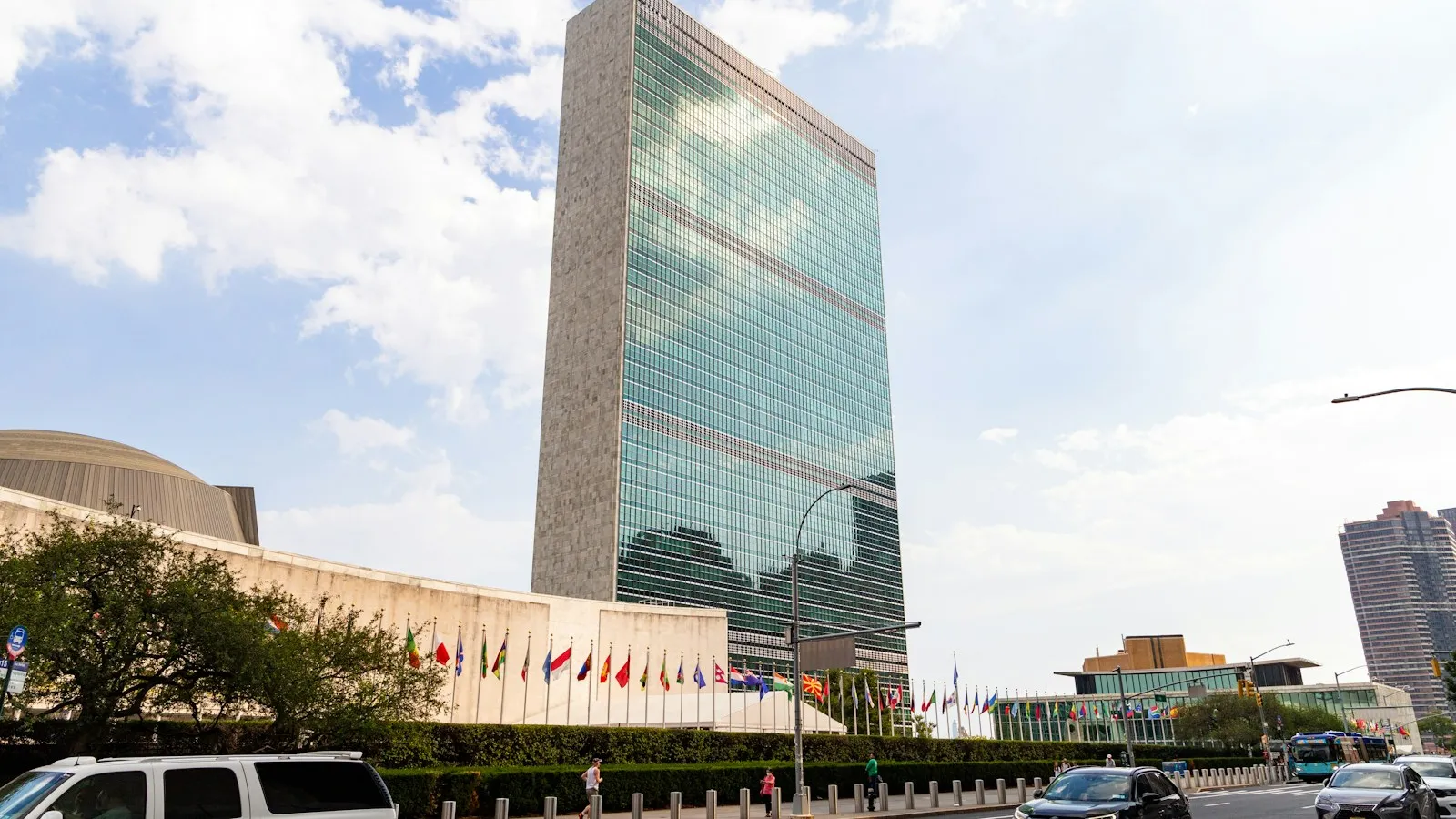
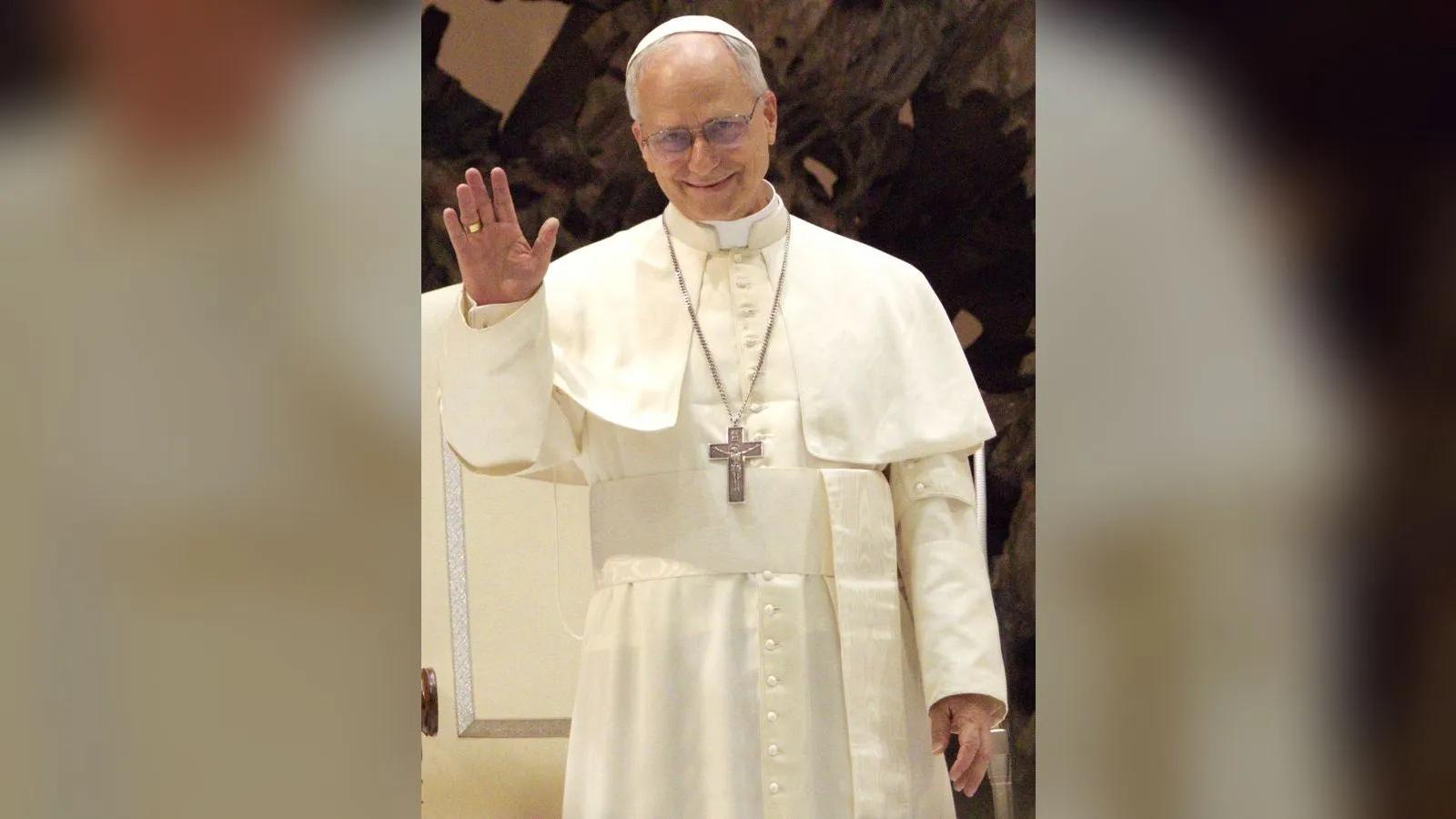
It has been a hard week for anyone who believes in the United Nations. In New York, the General Assembly met in an atmosphere of open confrontation. The US president threatened from the podium to annihilate Iran unless it agreed terms to end the war. Dozens of delegations walked out of the hall when Israel’s prime minister rose to speak. And in Paris, Pope Leo XIV warned that the UN and other global institutions were suffering a “crisis of effectiveness”, with dialogue at risk of becoming a charade.
The pope is right about the symptoms. Resolutions are ignored, the Security Council is often paralysed by the veto, and powerful states treat international law as something to cite when it suits them and set aside when it does not. It would be easy to conclude that the UN no longer matters.
That conclusion would be a mistake, and Pakistan’s own experience this week shows why.
A forum where every country has a voice
The United Nations remains the only place where every country, large or small, rich or poor, sits at the same table. For a major power, the UN is one option among many. It can rely on its economy, its alliances and its armed forces to protect its interests. For most of the world, including Pakistan, the UN is something more important: the place where rules still count, where arguments can be heard on their merits, and where a country’s case can be put on the record in front of everyone.
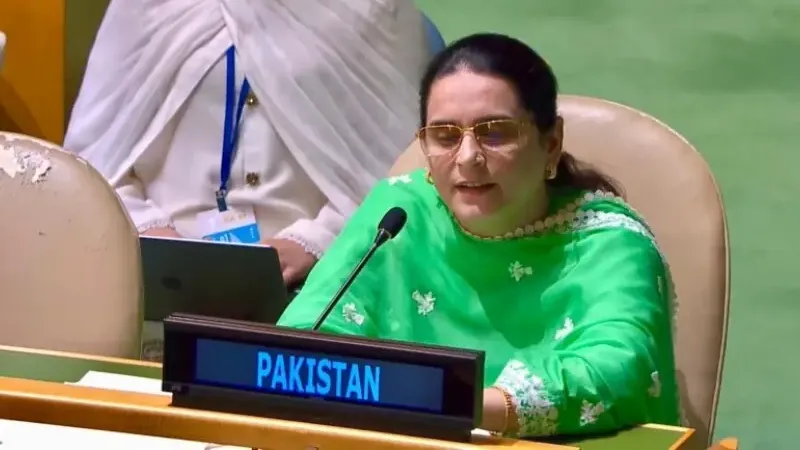
Consider the Indus Waters Treaty. When India announced that it was holding the treaty “in abeyance”, it was a unilateral step against an agreement brokered by the World Bank in 1960 that has survived several wars. Pakistan’s answer was not threats, but law and diplomacy. At the General Assembly, Prime Minister Shehbaz Sharif set out Pakistan’s position that India’s move has no legal basis, noting that it had been rejected by UN experts and by the Permanent Court of Arbitration. Pakistan’s diplomats pressed the same case in the Assembly’s right of reply, warning against the weaponisation of water that sustains 240 million people.
Without a global forum and a body of international law, a dispute like this would be decided only by who is stronger upstream. With them, Pakistan can make its case to the world, and the world can judge it.
Pakistan as a constructive member
Pakistan has not only used the UN to defend its interests. It has also shown what a responsible member state can contribute.
As an elected member of the Security Council, Pakistan has taken a leading part in debates that will shape the coming decades. At this week’s council briefing on artificial intelligence, Deputy Prime Minister Ishaq Dar urged the world to keep human control over AI and to stop it from becoming “another facet of the ongoing arms race”. Just as important, he warned that safety rules must not become a new form of gatekeeping that shuts developing countries out of the technology. That is a view many nations share, and Pakistan gave it a clear voice.
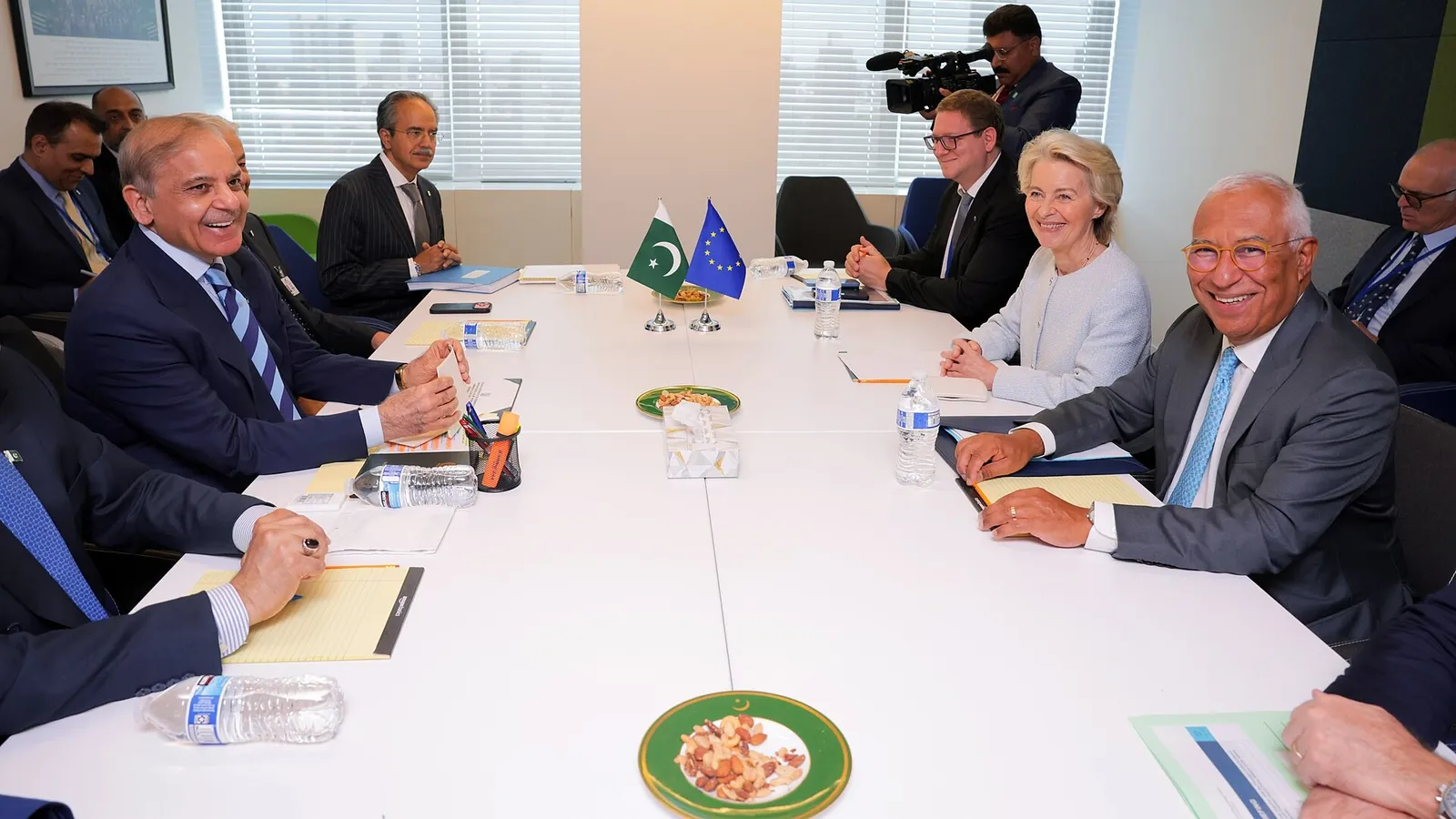
Pakistan has also been working to calm a dangerous region. On the sidelines of the Assembly, Secretary General António Guterres commended Pakistan’s “leading role and strong voice at the UN” and its mediation efforts to help resolve the conflict in the region. Recognition of that kind is not given lightly. It reflects a country that has chosen diplomacy and de-escalation at a moment when others have reached for force.
And over the decades, Pakistani troops have served in UN peacekeeping missions across Africa, the Balkans and beyond, often in the most difficult conditions. Many have given their lives in the service of peace. Few countries have done more to support the UN’s work on the ground.
Reform, not retreat
None of this means the UN can carry on as it is. The Security Council reflects the world of 1945, not the world of today, and the veto too often protects the powerful from accountability. Pakistan has long argued, rightly, that reform should make the council more democratic and more representative, rather than simply adding new permanent seats for a few ambitious states. Enforcement of resolutions, from Kashmir to Palestine, remains selective, and that damages the credibility of the whole system.
But the answer to a weak institution is to strengthen it, not to abandon it. Countries that walk away from the UN, or treat it with contempt, are not creating a better system. They are creating a world where might decides everything. For a country in Pakistan’s position, that would be a far more dangerous place.
Why it matters
The prime minister’s speech set out priorities that only a working multilateral system can protect: open sea lanes through the Strait of Hormuz and Bab al-Mandab, respect for treaties such as the Indus Waters Treaty, and peaceful settlement of disputes. Pakistan’s diplomats have shown this week that the UN, for all its failings, remains the best place to defend those principles.
The pope warned that dialogue is at risk of becoming a charade. Pakistan’s task, and that of every country that depends on the rule of law, is to make sure it does not. That means turning up, making the argument, building coalitions and pressing for reform. The United Nations is only as strong as its members choose to make it. Pakistan has chosen to make it stronger, and it should keep doing so.
This editorial represents the view of The Indus Compass Editorial Board.
Comments
Comments are reviewed by our editors before they appear. Please keep them civil and on topic. See our terms.
No comments yet. Be the first to share your view.