
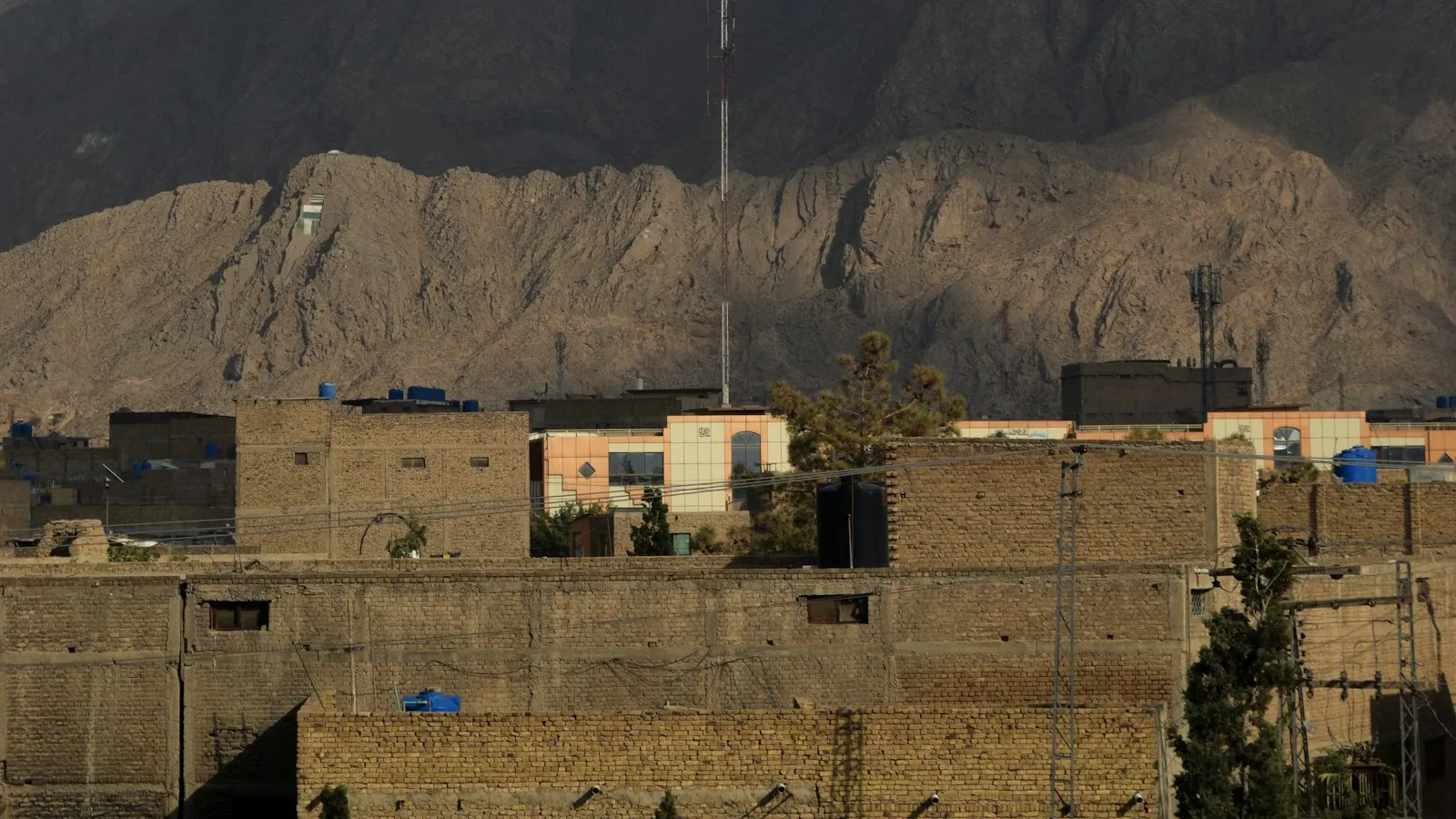
Balochistan has completed its first-ever mass transit project, the Jinnah Peoples Train, which the provincial government says is now ready to open to the public in Quetta.
The government announced on Friday that the 32-kilometre railway track from Kuchlak to Sariab Railway Station has been fully upgraded. The project was completed in a record 120 days at a cost of Rs3 billion.
Seven stations across Quetta
The route has seven stations: Kuchlak, Baleli, Sheikhmanda, GOR, Quetta, Lor Kariz and Sariab. Officials expect the service to carry thousands of passengers a day, offering residents of Quetta and its outskirts a safe, comfortable and affordable way to travel.
For a city where most people rely on private vehicles, rickshaws and crowded minibuses, a dedicated rail service could cut both journey times and travel costs, especially for students, office workers and traders who commute daily between the suburbs and the city centre.
‘Modern and dignified public transport’
Chief Minister Mir Sarfraz Bugti welcomed the timely completion of the project and said the train would open to the public soon. He described it as a major step towards “modern and dignified public transport” in the province, and said timely completion of public welfare projects was beginning to deliver tangible benefits to people.
Investing in people, too
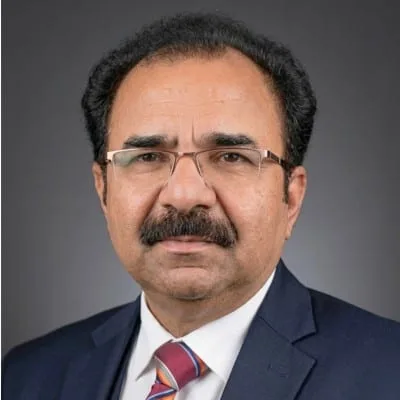
The train is part of a wider push by the provincial government to improve services and opportunities in Balochistan. In a separate meeting this week with Dr Qurat-ul-Ain, head of the Institute for Development Studies and Practices, the chief minister called for greater investment in education, skills training and human resource development, saying that empowering the province’s youth is essential for sustainable economic and social progress.
“Enhancing the capacity of human resources is of fundamental importance for sustainable development in Balochistan,” he said. The discussion covered vocational training, community development and women’s empowerment.
Scholarships for Chagai’s students
Balochistan’s resource projects are also beginning to invest in young people. The Reko Diq Mining Company this week celebrated 55 students from Chagai district who have won fully funded scholarships for the Foundation Programme at the Institute of Business Administration (IBA) in Sukkur. The students are the second group to benefit from the company’s scholarship programme, which prepares intermediate students from Chagai for admission to leading universities across Pakistan.
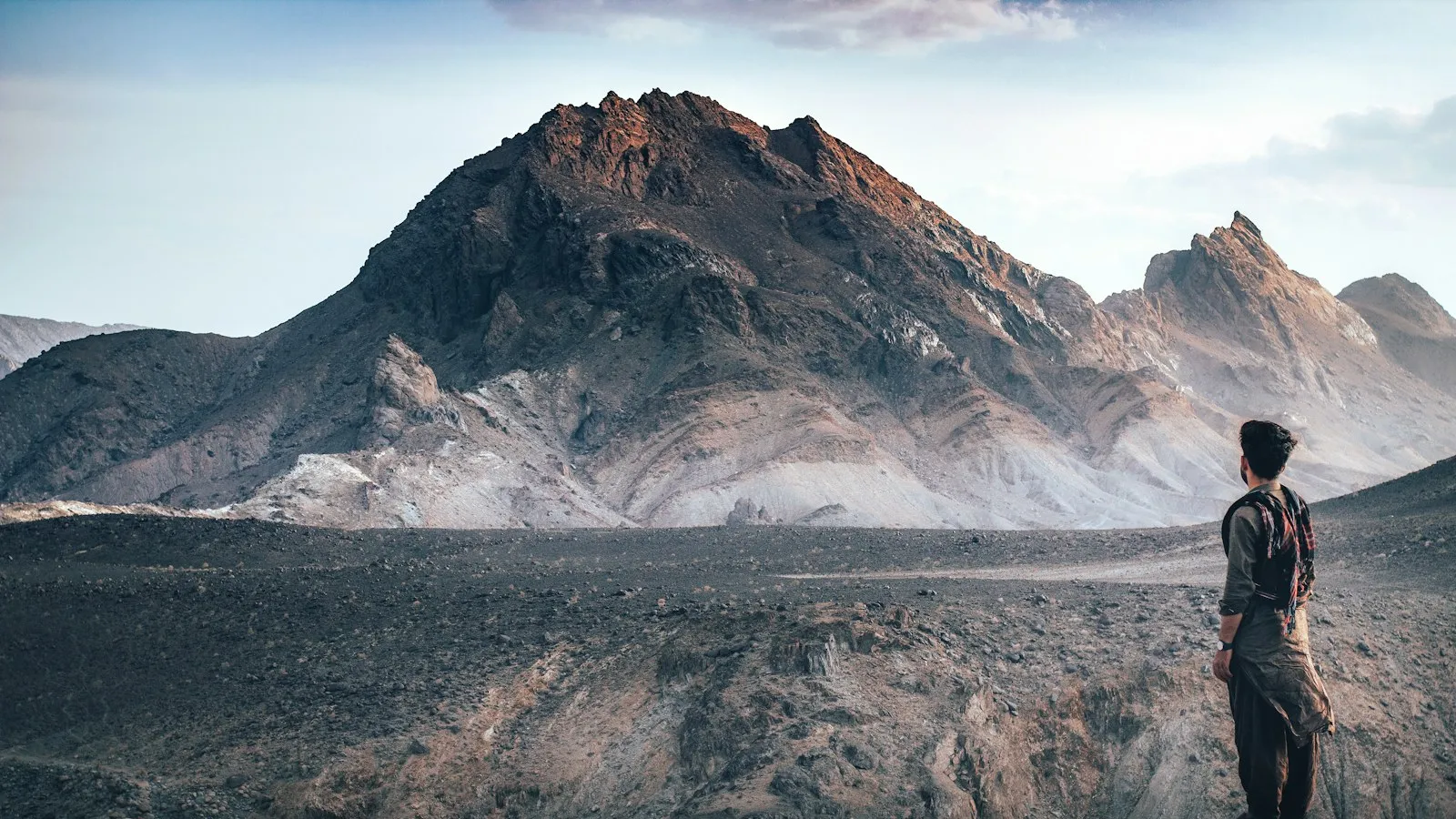
Reko Diq, in Chagai, is one of the world’s largest undeveloped copper and gold deposits, and is expected to play a major role in Balochistan’s economic future. Company officials described the scholarships as an investment in “the talent, potential, and future of Chagai’s youth”.
A province catching up
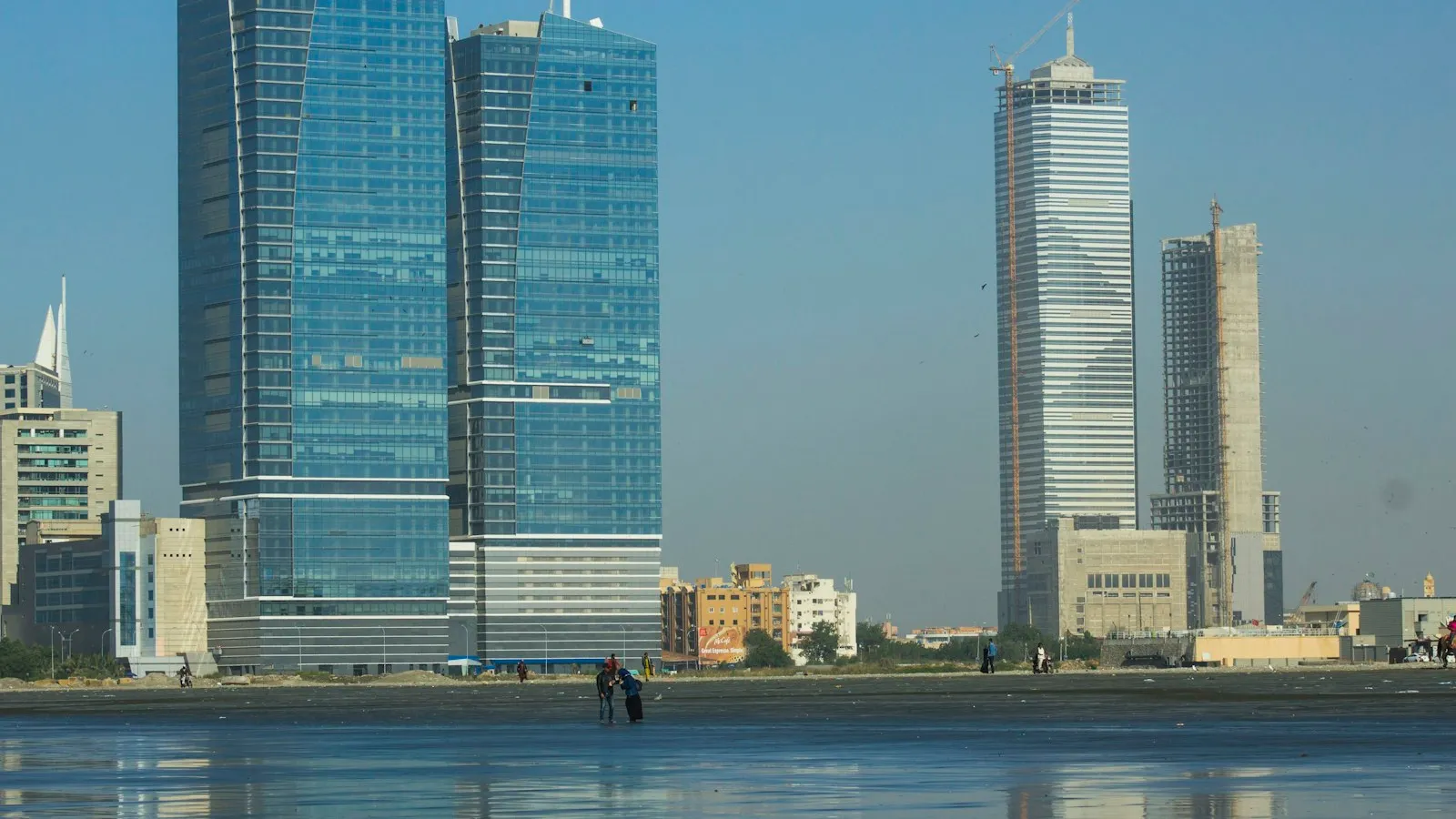
Balochistan is Pakistan’s largest province by area but has long lagged behind in infrastructure and public services. Projects like the Jinnah Peoples Train are modest in scale compared with the metro and bus systems of Lahore or Karachi, but for Quetta they represent a first step towards the kind of urban transport other major cities already take for granted.
Across the country, provinces are pressing ahead with their own infrastructure priorities, from Punjab’s Safe City expansion to Karachi’s new water pipeline and the national Diamer-Bhasha Dam.
Why it matters
Reliable public transport opens up access to jobs, schools and markets, particularly for people who cannot afford a car. If the Jinnah Peoples Train runs as planned, it will give Quetta’s commuters a cheaper, faster option, and give Balochistan a working model to build on.
This article draws on reporting published by Dawn.

Comments
Comments are reviewed by our editors before they appear. Please keep them civil and on topic. See our terms.
No comments yet. Be the first to share your view.