
A senior official of Pakistan’s Strategic Plans Division (SPD) has said India’s strategic behaviour is undermining security in South Asia, as experts gathered in Gilgit called for a broader understanding of regional stability in an era of rapid military and technological change.
Retired Major General Syed Shahab Shahid, Director General of Arms Control and Disarmament Affairs at the SPD, the body that oversees Pakistan’s strategic forces, said India’s present leadership was driven by an “ultra-nationalist Hindutva philosophy”. In his assessment, that outlook had produced a dangerous sense of exceptionalism and superiority, resulting in what he called the “jeopardisation of South Asian security calculus”.
A national workshop in Gilgit
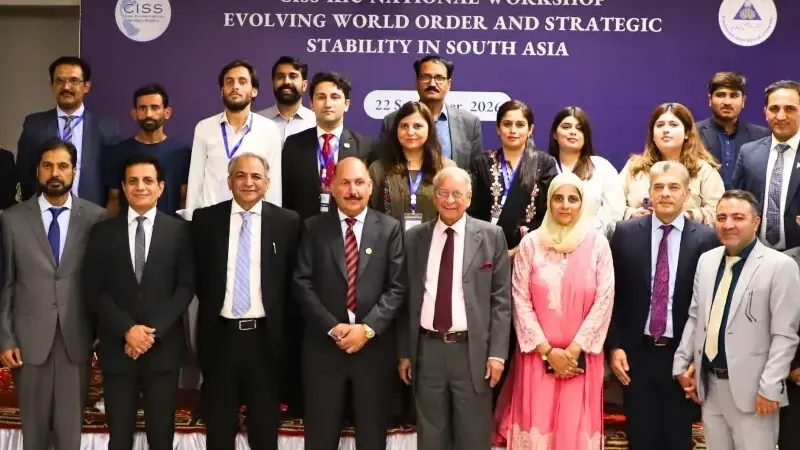
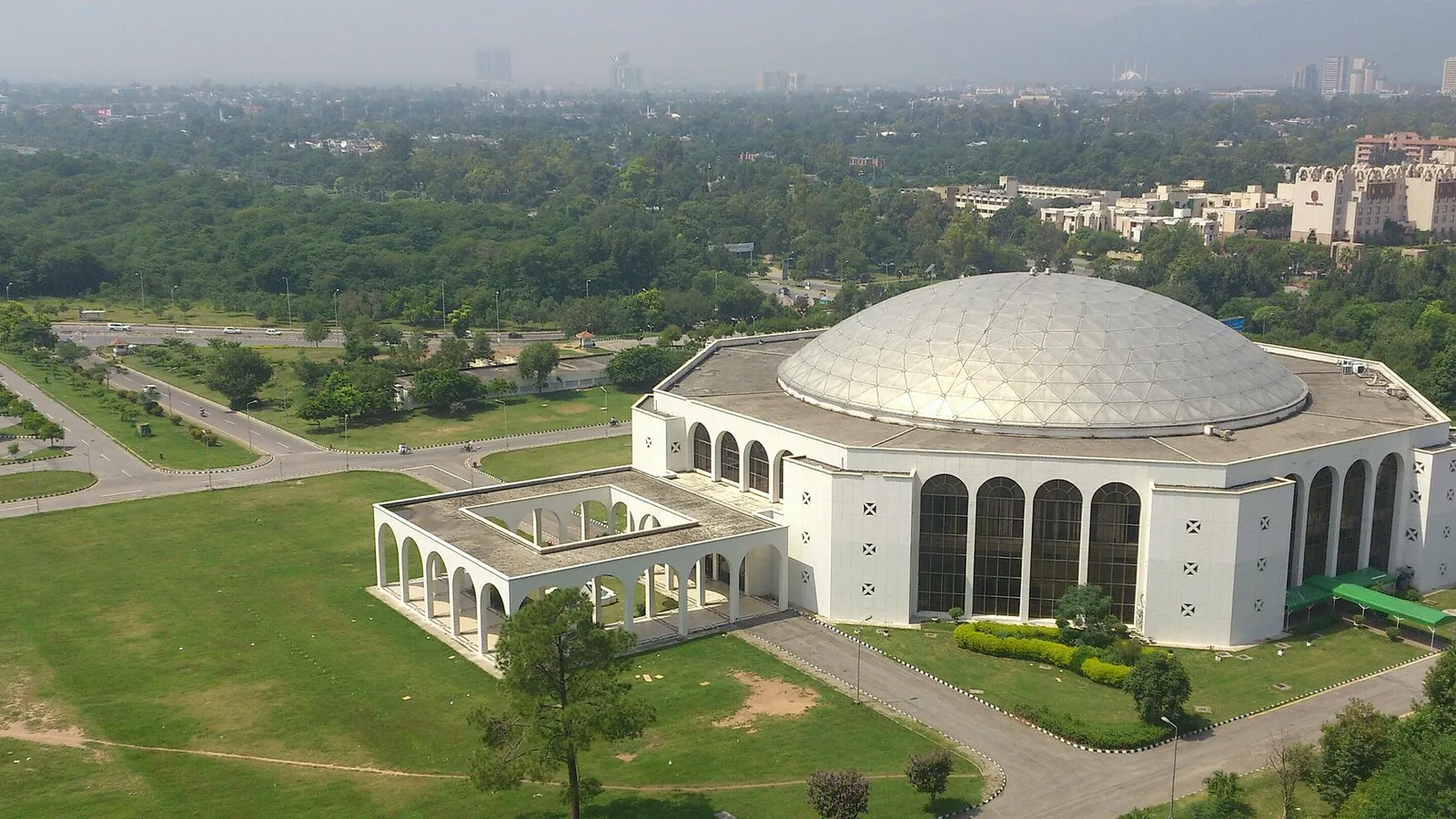
Shahid was speaking at a one-day national workshop on “Evolving World Order and Strategic Stability in South Asia”, organised by the Islamabad-based Centre for International Strategic Studies (CISS) together with Karakoram International University in Gilgit.
The event brought together policymakers, senior military officials, diplomats, strategic experts and academics. They examined how shifts in the international order are affecting the nuclear order, arms control, emerging technologies and security in South Asia.
Beyond military power
Opening the workshop, CISS Executive Director Ambassador Ali Sarwar Naqvi argued that the changing global environment, and growing strain on arms control and nuclear governance, called for a broader approach to strategic stability.
“Understanding strategic stability in the twenty-first century requires us to look beyond traditional measures of military power,” he said.
Participants noted that the discussions were taking place after the expiry of the New START Treaty between the United States and Russia, leaving the two largest nuclear powers without a bilateral arms control arrangement for the first time in decades, a gap that worries smaller nuclear states as well.
India under the microscope
A dedicated session examined India’s strategic behaviour and culture, and drew lessons from the pattern of India–Pakistan crises, from Pulwama in 2019 to Pahalgam in 2025. Speakers also examined India’s military modernisation and changing force posture, and what they mean for stability in the region.
Retired Brigadier Dr Zahirul Haider Kazmi, an adviser on arms control, discussed lessons for strategic stability from that crisis history in a recorded message. CISS Director of Research Dr Bilal Zubair examined how emerging technologies, including those that shorten decision-making time, could affect deterrence, escalation and crisis management in future conflicts.
Pakistan’s position
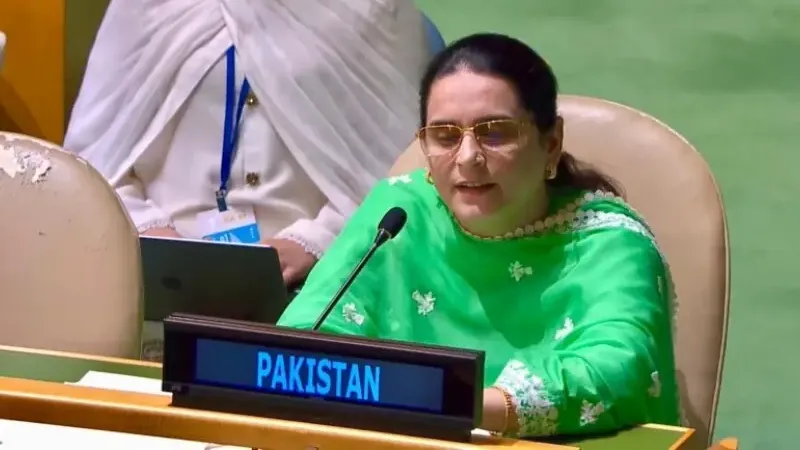
Pakistan has long argued that stability in South Asia depends on restraint, dialogue and respect for international agreements, and that India’s military build-up and doctrines increase the risk of miscalculation between two nuclear-armed neighbours. That view has been sharpened by the May 2025 conflict and by India’s decision to hold the Indus Waters Treaty “in abeyance”, which Prime Minister Shehbaz Sharif told the UN General Assembly had no legal basis.
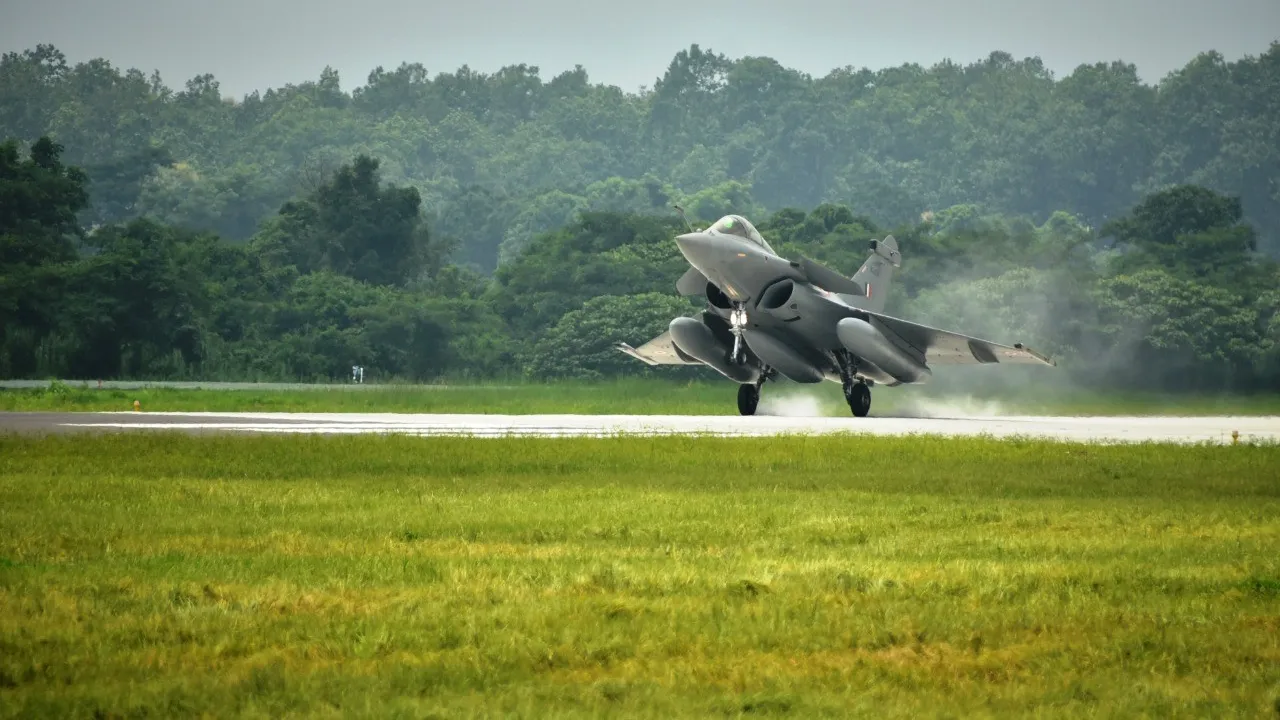
Questions over India’s own military readiness have also drawn attention, with analysts pointing to capability gaps as New Delhi pushes ahead with a major restructuring of its armed forces.
Why it matters
Events such as the Gilgit workshop are one of the ways Pakistan’s strategic community shapes and communicates the country’s thinking on deterrence and arms control. The message from Gilgit was consistent with Islamabad’s long-standing position: that stability in a nuclear-armed region cannot rest on military power alone, and that it requires restraint, crisis-management mechanisms and respect for agreements from both sides.
This article draws on reporting published by Dawn. The views quoted are those of the speakers.

Comments
Comments are reviewed by our editors before they appear. Please keep them civil and on topic. See our terms.
No comments yet. Be the first to share your view.