

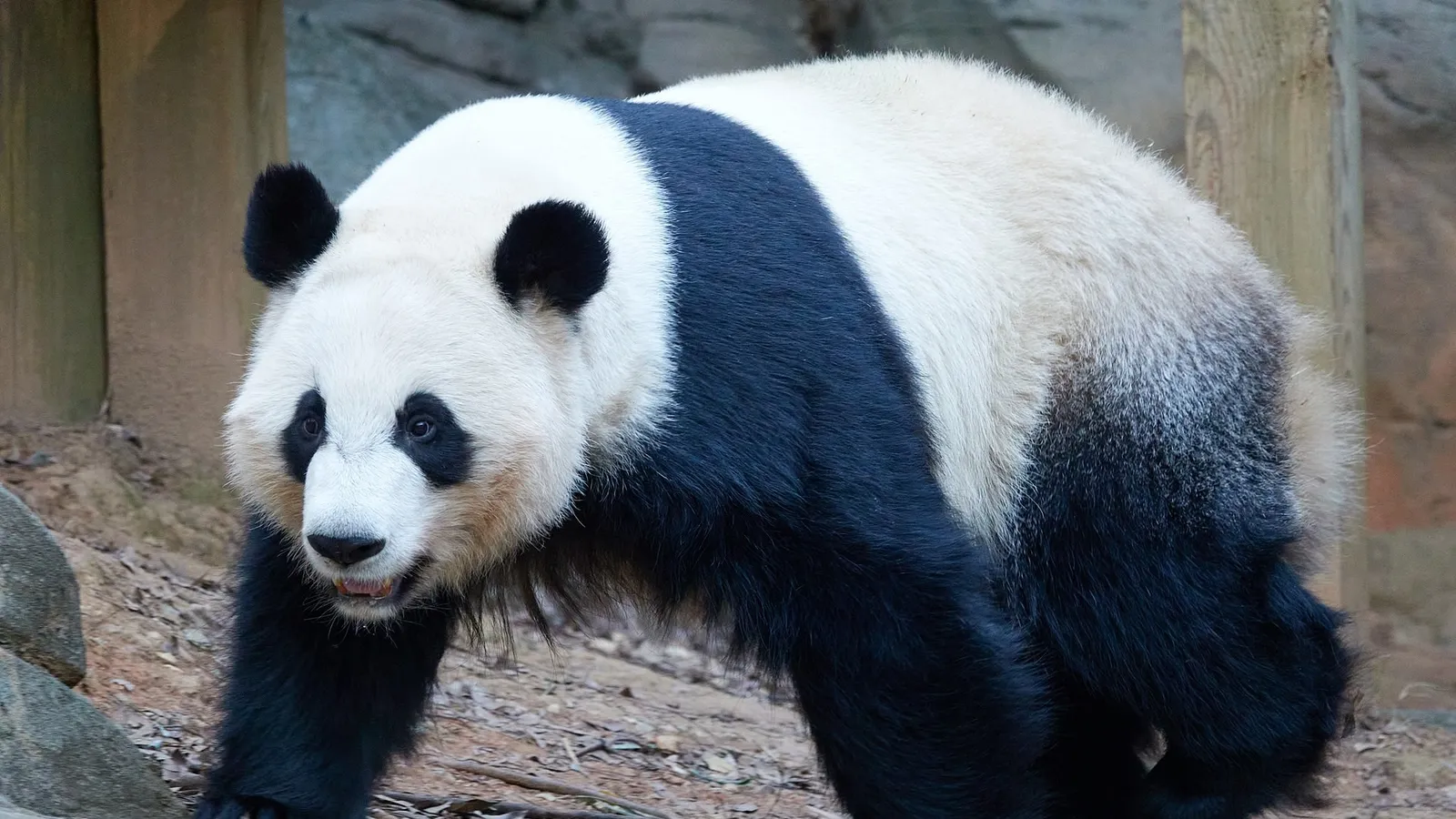
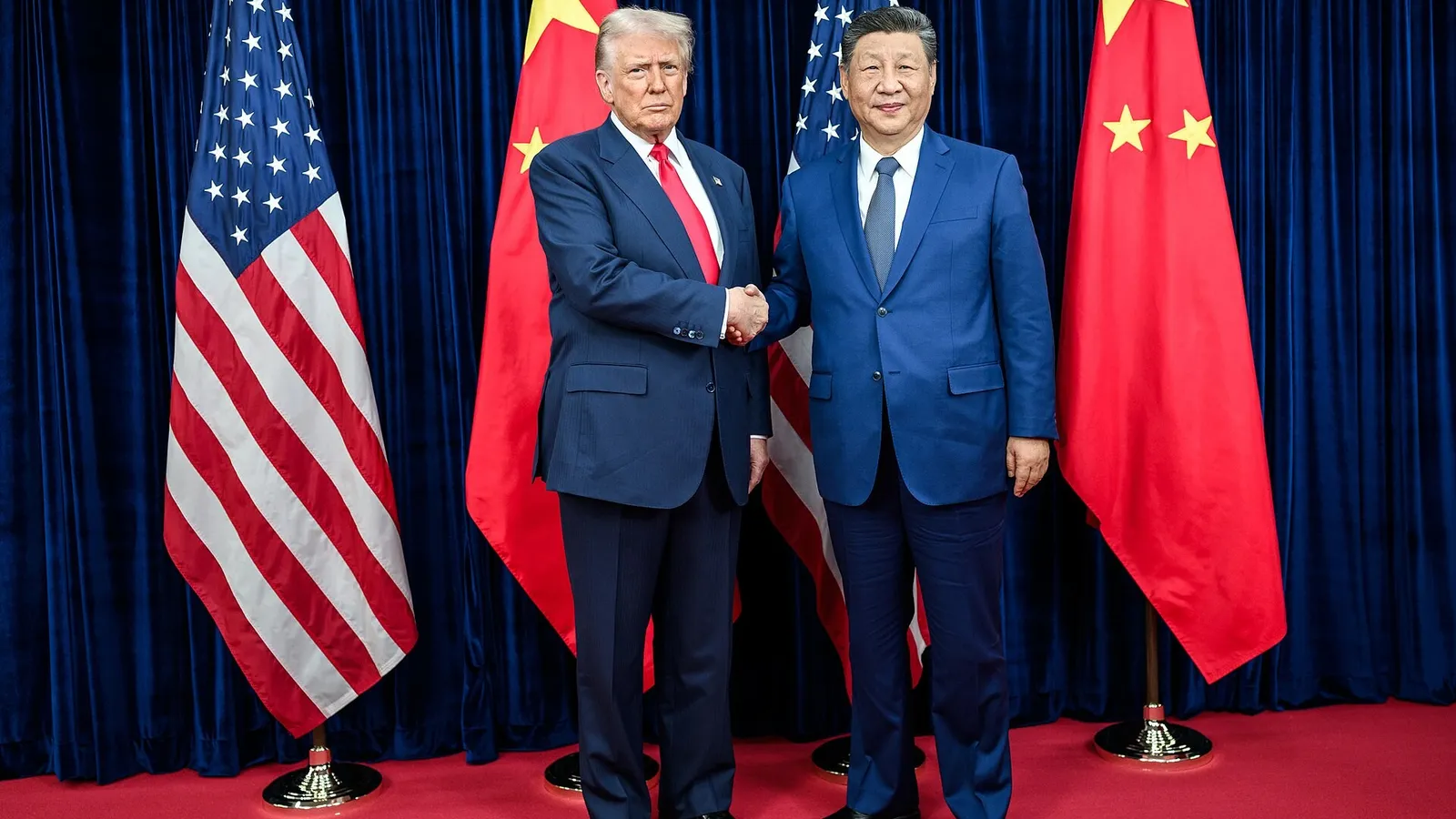
China has sent two giant pandas to the United States, days after a Washington summit between Presidents Xi Jinping and Donald Trump that was rich in symbolism but light on concrete breakthroughs.
The pandas, Ping Ping and Fu Shuang, left Chengdu Shuangliu International Airport on a chartered flight at around 3am local time on Sunday, midnight in Pakistan, according to China’s state news agency Xinhua. They are bound for Zoo Atlanta in the US state of Georgia, where they will live for the next 10 years.
The transfer had been agreed before the summit, but its timing was announced on Thursday, during Xi’s visit to Washington.
A 15-hour journey
Chinese state-run outlet the Global Times reported that steamed corn buns, bamboo shoots and carrots had been prepared to keep the pandas fed during the 15-hour flight. Experienced keepers sent by the US side travelled with them.
The aircraft, a Boeing 777 operated by FedEx, became the most-tracked flight on the FlightRadar24 platform as it neared Alaska, roughly halfway through the journey. Before the pandas departed, the Chengdu Research Base of Giant Panda Breeding held a farewell ceremony.
Meet Ping Ping and Fu Shuang
Both pandas were born in 2020. Ping Ping, a male, is six years old, while Fu Shuang, a female, turns six next month. Giant pandas in captivity typically live for around 30 years.
Zoo Atlanta has renovated its panda facilities and assembled a team of caretakers for their arrival. It has also secured a long-term supply of locally grown bamboo, helped by Atlanta’s climate, which is very similar to Chengdu’s. The zoo previously hosted pandas on loan from China for a quarter of a century, beginning in 1999, but has had none since 2024.
What is panda diplomacy?
Giant pandas are among the world’s most popular animals, and China has long loaned them to other countries as a gesture of goodwill, a practice widely known as “panda diplomacy”. The animals act as soft-power ambassadors for Beijing, and their arrival or departure is often read as a signal about the state of relations.
The practice has deep roots in China–US relations. In 1972, China gave a pair of pandas to Washington following President Richard Nixon’s historic visit to China, which opened the way for diplomatic ties between the two countries.
Pandas can also be withdrawn when relations sour. Earlier this year, Beijing recalled two pandas from Japan following a diplomatic dispute that began when Japan’s prime minister suggested Tokyo could intervene militarily if Taiwan were attacked.
The summit behind the gesture
The pandas’ departure caps a week of carefully staged diplomacy. The state visit to the White House included a state dinner and a joint tour of the US National Archives. Both sides named artificial intelligence as an area for cooperation and agreed to set up a communication channel on AI incidents, while Trump highlighted what he described as better market access for US farmers.
But major issues, especially Taiwan, where Beijing wants Washington to state that it opposes the island’s independence, remained unresolved, and critics in the US Senate said Trump had won few meaningful concessions.
Why it matters
A loan of pandas does not change trade balances or security policy. But in the language of Chinese diplomacy, it is a clear signal of goodwill. Sending Ping Ping and Fu Shuang to the United States now, while recalling pandas from Japan over Taiwan, shows how Beijing uses the animals to reward and signal, and suggests China wants to present its relationship with Washington as stable after the summit, even as the hardest questions remain open.
This article draws on reporting by AFP, Xinhua and the Global Times, as published by Dawn.

Comments
Comments are reviewed by our editors before they appear. Please keep them civil and on topic. See our terms.
No comments yet. Be the first to share your view.