

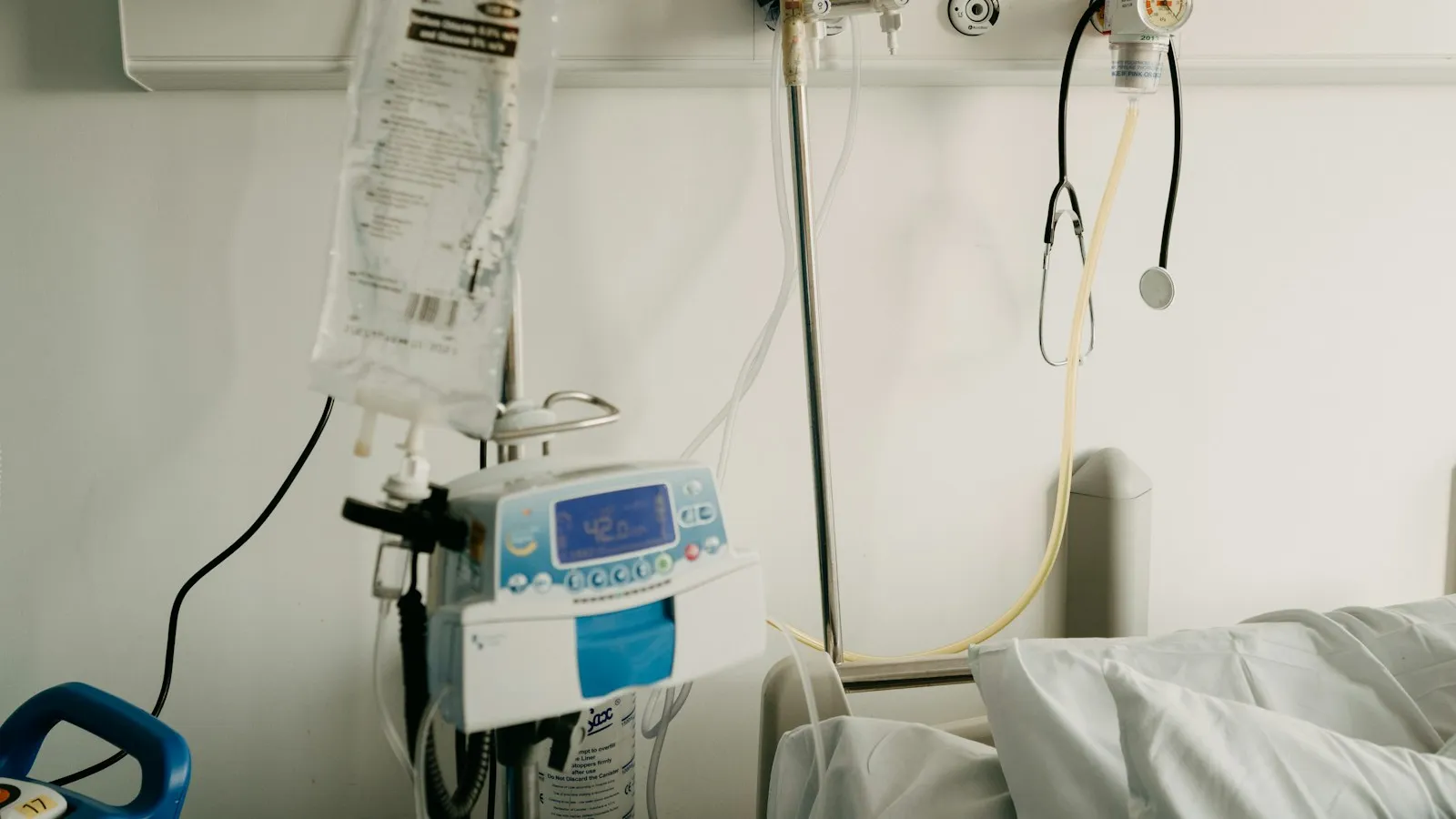
Four patients receiving dialysis at the Tehsil Headquarters (THQ) Hospital in Mian Channu have tested positive for HIV, raising fresh concerns about infection-control practices in healthcare facilities across south Punjab.
According to reports available to Dawn, the patients, three of them women, had been receiving dialysis at the hospital when they tested positive. The hospital has referred them to Nishtar Hospital in Multan for further evaluation and treatment, where they are now being cared for.
Hospital says dialysis not to blame
Hospital officials told the media that more than 60 patients receive dialysis at the facility, and said HIV could not be transmitted through the dialysis process. They said they were assessing the situation.
Sources, however, said more dialysis patients may also have tested positive, though officials did not confirm any further cases.
How HIV can spread in healthcare settings
Health experts note that HIV is not spread by dialysis itself, but it can be transmitted in any healthcare setting through contaminated blood, for example through reused needles or syringes, inadequately sterilised equipment, or failures in the procedures that are meant to keep each patient’s blood separate. That is why dialysis units are required to follow strict infection-control protocols.
Whether any lapse occurred in Mian Channu has not been established, and the investigation is at an early stage.
A pattern in south Punjab
The Mian Channu cases come against a troubling background.
- Multan, 2024: In November 2024, about 30 kidney patients at Nishtar Hospital were reported to have contracted HIV during dialysis, and one patient died of complications. A Punjab government fact-finding committee confirmed an outbreak in the hospital’s nephrology unit and identified violations of dialysis guidelines and standard operating procedures. In January 2025, the government ordered disciplinary proceedings under the PEEDA Act against senior officials and medical staff.
- Scientific evidence: A 2026 study by Aga Khan University researchers and the Punjab AIDS Control Programme concluded that the Multan infections were connected to one another, evidence that the virus spread inside the hospital itself.
- Taunsa, 2025: In March 2025, 106 children in Taunsa who had tested HIV-positive were registered with the AIDS Control Programme. The government set up a screening and treatment centre, and a joint mission involving WHO, UNICEF, UNAIDS and partners screened around 50,000 people door to door. Auto-disable syringes were supplied to government hospitals, and hundreds of clinics allegedly run by unqualified practitioners were sealed.
Treatment is free
For anyone worried about HIV, testing and treatment are available free of charge. The Punjab AIDS Control Programme says it provides free HIV testing, counselling, treatment, diagnostics and follow-up care, with treatment centres in districts including Lahore, Multan and Dera Ghazi Khan. More than 14,000 patients in Punjab are receiving free treatment.
Nationally, the National AIDS Control Programme says 84,421 HIV cases had been registered in Pakistan by December 2025, of whom 60,785 were receiving antiretroviral therapy at 98 centres. With treatment, people living with HIV can lead long and healthy lives.
What patients can do
Patients on dialysis can ask their unit about its infection-control procedures, including whether single-use items are used once and how machines are cleaned between patients. Anyone who has received dialysis, injections or blood transfusions and is concerned should get tested, as early diagnosis makes treatment far more effective.
Why it matters
Dialysis patients depend on regular hospital treatment, often several times a week, and have no choice but to trust that the equipment and procedures are safe. Repeated HIV cases linked to healthcare settings in south Punjab suggest that the lessons of Multan and Taunsa have not been fully applied. A transparent investigation in Mian Channu, and screening of all patients at the unit, will be essential to restoring that trust. The case also adds weight to wider concerns about conditions in public hospitals, which the Islamabad High Court has taken up in a case on doctors’ working hours.
This article draws on reporting published by Dawn. It is general information, not medical advice.




Comments
Comments are reviewed by our editors before they appear. Please keep them civil and on topic. See our terms.
No comments yet. Be the first to share your view.